Buying your first home in Duluth can feel exciting and overwhelming at the same time. You may be wondering how much home you can truly afford, whether a townhome or single-family home makes more sense, and what the Georgia buying process actually looks like. The good news is that with the right plan, you can move forward with more clarity and less stress. Let’s dive in.
Why Duluth appeals to first-time buyers
Duluth offers a mix of lifestyle and housing options that make it worth a closer look if you are buying for the first time. Explore Gwinnett describes downtown Duluth as a walkable district with murals, restaurants, cafés, boutiques, and events on The Town Green throughout the year. That kind of local activity can be a big plus if you want a home base with things to do nearby.
Duluth also gives you more than one path into homeownership. The city has promoted downtown residential projects that include both townhomes and single-family homes, which shows that attached and detached housing are both part of the local market. If you are still deciding what kind of home fits your budget and lifestyle, that variety matters.
Local pricing helps frame expectations. Census QuickFacts reports an estimated 2025 population of 33,815, an owner-occupied housing rate of 56.5%, a median owner-occupied home value of $400,800, and a median gross rent of $1,828. Those numbers suggest Duluth is not a bargain market, but it is also not limited to luxury buyers only.
Start with your monthly budget
Before you start touring homes, focus on what feels comfortable month to month. HUD notes that affordability depends on your income, credit, monthly expenses, down payment, and interest rate. In other words, the right budget is personal, not just whatever number a lender says is possible.
Georgia buyers should also think beyond principal and interest. Georgia DCA advises buyers to budget for mortgage payments, property taxes, insurance, and upfront costs that may not be covered by assistance. In Duluth, Census data shows the median monthly owner cost with a mortgage was $2,116, which can serve as a useful local benchmark.
A simple starting point is to build your budget around the full monthly housing cost, not just the list price. That gives you a clearer picture of what homeownership will feel like after closing. It also helps you compare different property types more fairly.
Costs to include in your budget
- Mortgage payment
- Property taxes
- Homeowners insurance
- HOA dues, if applicable
- Maintenance and repairs
- Upfront closing costs
- Cash needed for earnest money and inspections
Preapproval comes before house hunting
It is easy to fall in love with homes online, but your first practical step should be talking with a lender. The Consumer Financial Protection Bureau explains that prequalification and preapproval are not the same. Preapproval usually relies on verified financial information, which can make your offer look more serious to a seller.
For buyers considering Georgia Dream, the Georgia Department of Community Affairs says you should contact a participating lender to prequalify and then complete homebuyer education before moving forward. That process can help you understand your options early, before you are under pressure to make an offer.
Preapproval is also important because Duluth is not standing still. A recent market snapshot showed homes in Duluth selling in about 44 days on average, with about two offers per home. While not every listing becomes a bidding war, you still want to be ready when the right one appears.
Understand Georgia Dream assistance
If you are a first-time buyer, or have not owned a home in the past three years, Georgia Dream may be worth exploring. According to Georgia DCA, qualified buyers may be eligible for up to $10,000 in Standard assistance or up to $12,500 in PEN/CHOICE assistance. This assistance is generally structured as a 0% second mortgage.
That support can make homeownership more reachable, but it comes with rules. DCA states that the second mortgage must generally be repaid if you sell, refinance, or stop using the home as your primary residence. Applicants also need at least a 640 middle credit score and at least $1,000 of their own funds or documented gift funds.
This is one reason early planning matters so much. Assistance programs can be helpful, but you still need a realistic budget and a clear understanding of your full cash-to-close picture.
Townhome or single-family home?
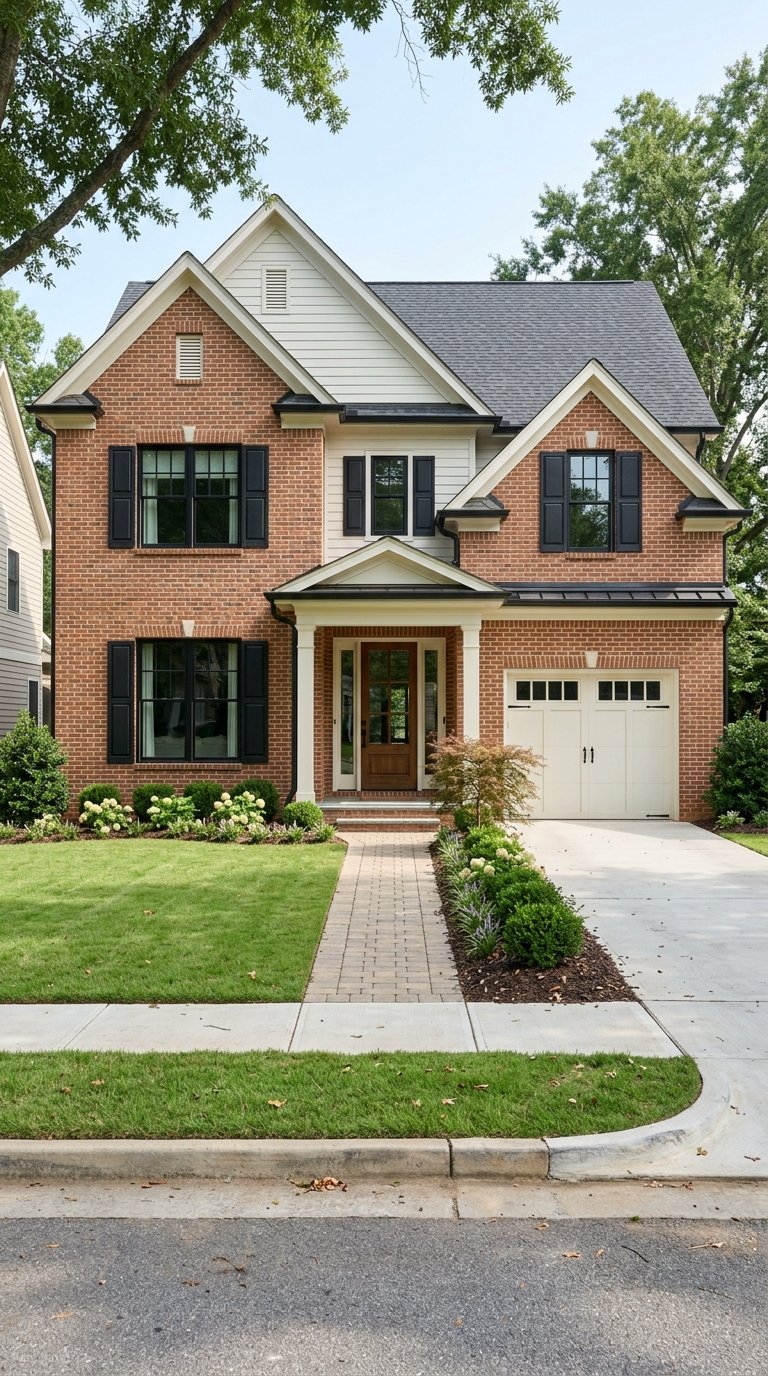
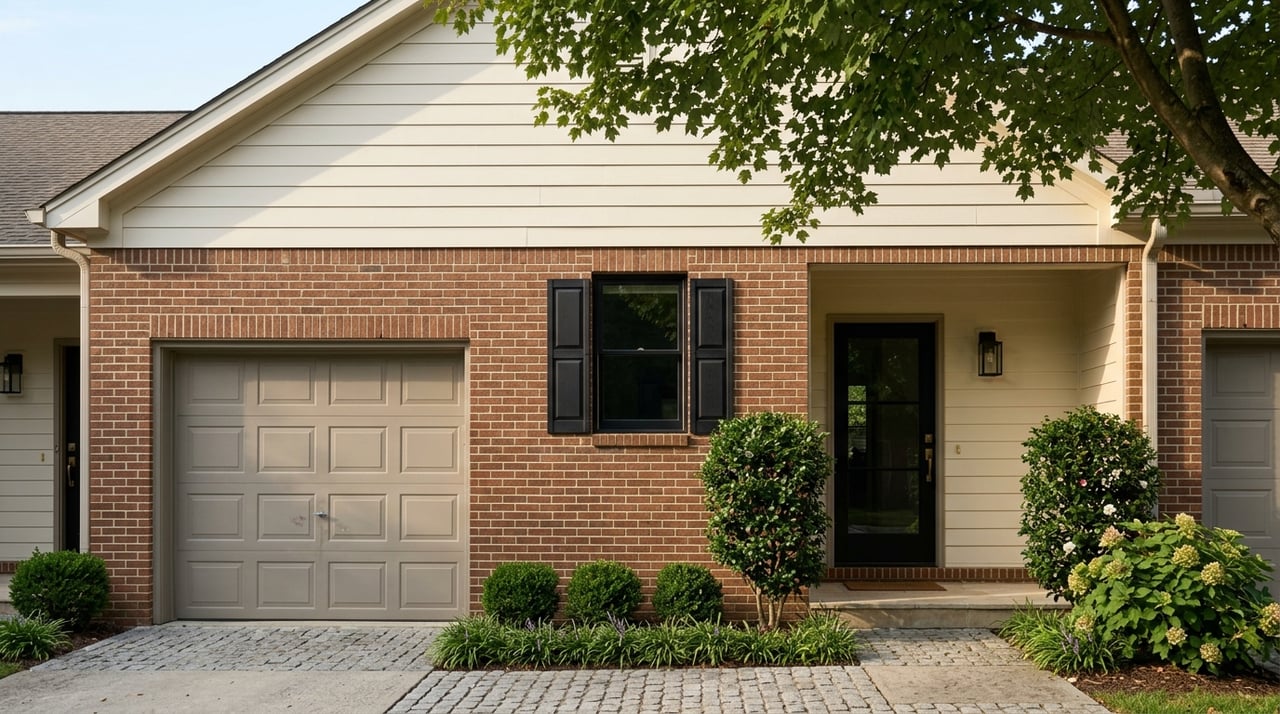
This is one of the biggest decisions first-time buyers make in Duluth. A single-family detached home is a standalone structure with one primary residence. A townhouse shares one or more walls with neighboring homes but usually has its own ground-level entrance.
In Duluth, both options are part of the conversation. The city has highlighted downtown development that includes 59 townhomes and 39 single-family homes, showing that buyers may be able to compare both styles in the same broader market area. That can be helpful if you are weighing maintenance, privacy, and monthly cost.
Townhomes often appeal to buyers who want lower-maintenance living and are comfortable with HOA dues. Single-family homes often attract buyers who want more privacy, more yard space, and fewer shared elements. Neither choice is automatically better. The right fit depends on how you want to live and what you want to spend each month.
What to compare beyond list price
- HOA dues
- Property taxes
- Insurance costs
- Exterior maintenance responsibilities
- Yard space and upkeep
- Shared walls or common areas
- Commute and lifestyle convenience
Know what a competitive offer includes
Once you find the right home, your offer needs more than a price. The CFPB says buyers should generally make offers contingent on financing and a satisfactory inspection. Those protections matter because the inspection and appraisal serve different purposes, and both can affect your next steps.
If the inspection reveals a major issue, you may need to negotiate repairs or reconsider the purchase. If the appraisal comes in low, you may need to bring in more cash, renegotiate, or walk away if your contract allows. This is where clear guidance and close deadline management become very important.
Georgia contracts also have local features buyers should understand. Georgia Association of REALTORS® training materials describe the due diligence period as a window for you to investigate the property and terminate before the deadline if needed. If you do not terminate during that period, the property is generally treated as accepted as-is.
Offer terms first-time buyers should understand
- Purchase price
- Earnest money amount
- Financing contingency
- Inspection or due diligence timeline
- Closing date
- Any seller-paid closing cost request
What earnest money and due diligence mean
Earnest money is a deposit that shows you are serious about the purchase. Georgia REALTOR® materials explain that it is typically applied toward your purchase at closing if the transaction moves forward. It may also be returned in certain situations, such as when a contingency fails or the seller defaults.
The due diligence period is your investigation window. During that time, you can review the home’s condition, documents, and any concerns that come up before making your final decision. Missing that deadline can limit your options, so staying organized is essential.
This is one area where first-time buyers often feel stress. There are several moving parts at once, and each deadline matters. Good support can make the process feel much more manageable.
Prepare for closing in Georgia
Georgia closings have an important local detail. GAR legal guidance says a real estate closing in Georgia is the practice of law and must be performed by an attorney. That is different from how some other states handle closings, so it helps to know this upfront.
Closing costs can include appraisal fees, title insurance, government taxes, and prepaids such as property taxes, homeowners insurance, and interest. The CFPB also states that your lender must provide the Closing Disclosure at least three business days before closing. That gives you time to review the final terms and compare them to what you expected.
In some cases, a seller may agree to contribute toward closing costs. However, CFPB notes that a closing-cost credit is often offset by a higher purchase price. It is worth reviewing the numbers carefully instead of assuming a credit is always the better deal.
Avoid mistakes after preapproval
After you are preapproved, consistency matters. Georgia DCA advises buyers not to change jobs, take on new debt, miss payments, or spend funds set aside for closing. Even a decision that seems small can affect your loan approval.
This is not the time to finance furniture, open a new credit card, or move money around without talking to your lender. The safest approach is to keep your finances stable and ask questions before making any big changes.
DCA also notes that many Georgia Dream transactions close in roughly 30 to 45 days, depending on the lender, appraisal, title work, and other services. That timeline can move smoothly when everyone stays organized from the start.
Why local guidance matters in Duluth
A first home purchase is not just about finding a property online. It is about coordinating your search, lender communication, showings, offer strategy, inspections, deadlines, and attorney closing. In a market like Duluth, where some homes move quickly and others see price drops, local context helps you make smarter decisions.
That is especially true if you are comparing townhomes and single-family homes, exploring Georgia Dream, or trying to balance budget with long-term goals. Patient guidance and strong communication can help you stay focused on what fits your life, not just what is available this week.
If you are thinking about buying your first home in Duluth, working with a knowledgeable local professional can make the process feel more straightforward from day one. When you are ready to take the next step, connect with Phung Linh Nguyen for personalized guidance tailored to your goals.
FAQs
What makes Duluth a good place to start as a first-time homebuyer?
- Duluth offers a mix of townhomes and single-family homes, a walkable downtown area with year-round events, and local housing benchmarks that place it between ultra-low-cost and luxury-only markets.
What budget should a first-time homebuyer use in Duluth?
- You should build a budget around your full monthly housing cost, including mortgage, taxes, insurance, HOA dues if any, maintenance, and upfront closing costs, rather than focusing only on the home’s list price.
What is the difference between prequalification and preapproval for a Duluth home purchase?
- Preapproval is typically based on verified financial information and can make your offer stronger with sellers, while prequalification is usually a more basic early estimate.
What is Georgia Dream for first-time homebuyers in Georgia?
- Georgia Dream is a state program for eligible first-time buyers, or buyers who have not owned a home in the past three years, that may provide down payment assistance through a 0% second mortgage subject to program rules.
Should a first-time buyer choose a townhome or single-family home in Duluth?
- A townhome may suit you if you want lower-maintenance living and are comfortable with HOA dues, while a single-family home may fit better if you want more privacy, yard space, and fewer shared elements.
How long does it usually take to close on a first home in Georgia?
- Georgia DCA says many Georgia Dream transactions close in about 30 to 45 days, although timing can vary based on the lender, appraisal, title work, and other services.
Who handles a real estate closing for a home purchase in Georgia?
- In Georgia, a real estate closing must be performed by an attorney.
What should a first-time buyer avoid after mortgage preapproval in Georgia?
- You should avoid changing jobs, taking on new debt, missing payments, or spending money you need for closing, because those changes can affect your final loan approval.